
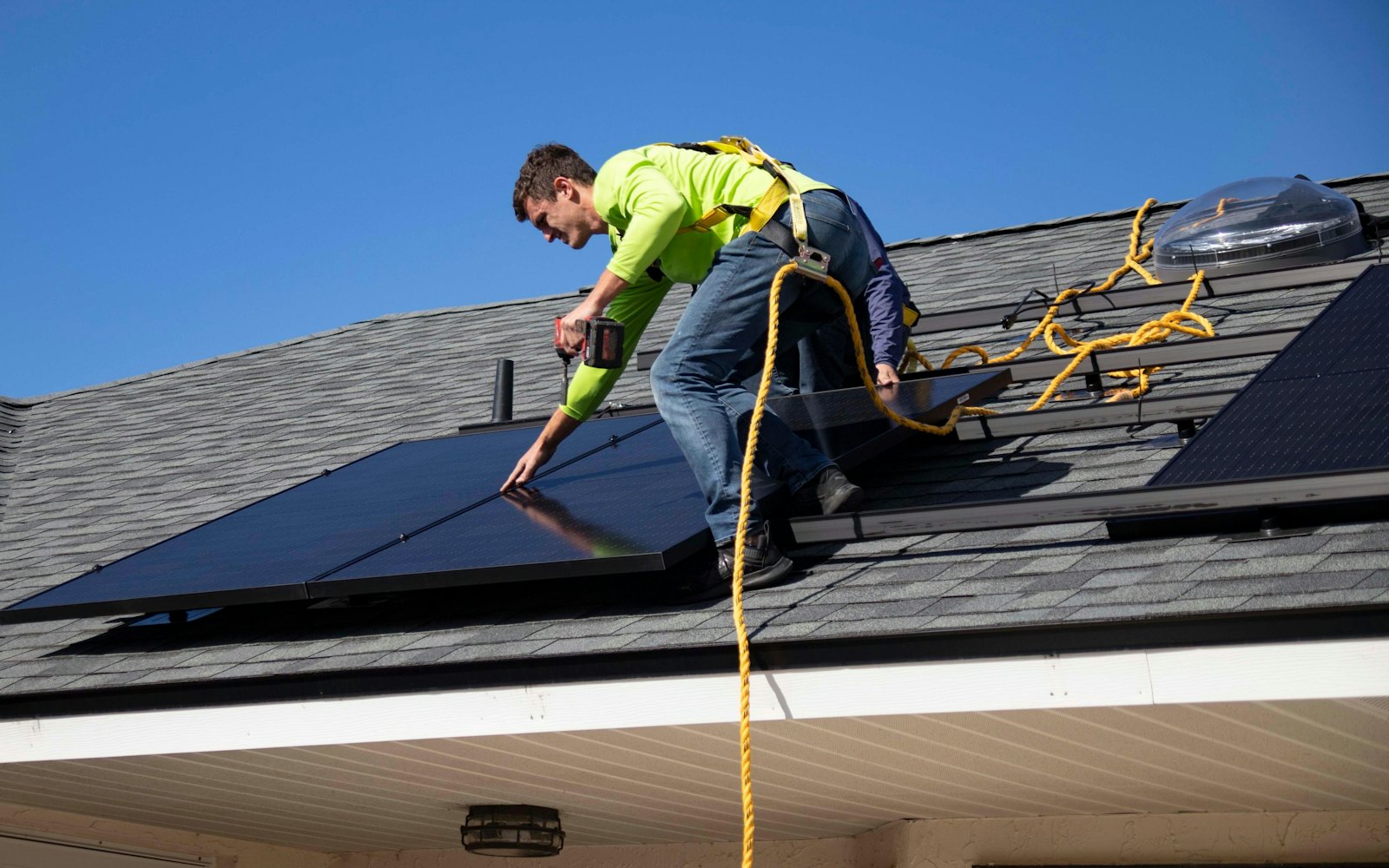
UK solar demand is at record levels. MCS certified around 123,000 solar installations in the first half of 2025 alone, the highest January-to-June total on record, beating the previous high set in 2012. More demand means more installers competing for the same homeowners, and the cost and quality of leads now varies enormously by source.
This guide compares the main ways UK installers get solar leads, with published 2026 prices, so you can decide where to spend.
What a solar customer is worth
| System | Typical installed cost (2026) |
|---|---|
| 3 kWp | £5,000 to £6,500 |
| 4 kWp | £6,500 to £8,000 |
| 5 kWp | £8,000 to £10,000 |
| 4 kWp with battery | £10,000 to £14,000 |
Source: Heatable solar panel costs (updated October 2026).
With jobs this size, installers can afford a meaningful cost per lead, but only if leads convert. A lead that never answers the phone costs the same as one that books.
The channels compared
| Channel | Typical cost | Lead quality | Control |
|---|---|---|---|
| Bought leads (lead suppliers) | From about £8 to £15 (plus retainers) up to £25 to £35 per lead; around £130 per booked appointment | Varies widely; may be shared | Low |
| Google Search Ads | Pay per click; depends on area | High intent; exclusive | High |
| Facebook and Instagram ads | Usually lower cost per lead than Search | Lower intent; needs qualifying | Medium |
| Referrals | Referral rewards | Very high | Medium |
| Partnerships (roofers, electricians, builders, estate agents) | Commission or reciprocal referrals | High | Medium |
| SEO and content | Time or agency fees | High | Medium, slow |
Bought-lead prices from Whito's check of UK suppliers (September 2026).
Bought leads
Lead suppliers advertise, collect enquiries and sell them on. They are quick to start and need no marketing skills. The risks are quality, sharing and dependence: if the supplier stops or raises prices, your pipeline stops. Always ask whether leads are shared and with how many firms, how they are verified and what credit you get for bad ones. We compare the economics in depth in bought solar leads vs your own ads.
Google Search Ads
Search reaches homeowners actively looking: "solar panels installers [town]", "solar panel cost", "solar battery installation". Leads are exclusive and you choose the area, message and landing page. Expect higher cost per lead than Meta, but better intent. A solar Google Ads account needs strong negatives (jobs, DIY kits, camping solar, solar lights) and a landing page that explains cost, savings and the survey process. See Google Ads for solar companies.
Facebook and Instagram
Social ads can generate large volumes of solar leads at lower cost, especially with savings-led messages. Quality needs managing: qualifying questions (homeowner? roof type? monthly bill?), Higher intent forms and fast follow-up. See how to generate solar leads on Facebook.
Referrals
Solar customers talk to neighbours, especially once panels are visibly on the roof and the first bills arrive. A clear referral reward, a follow-up message three months after installation and a request for a Google review turn happy customers into a steady source of high-quality leads.
Partnerships
Roofers re-roofing a house, electricians upgrading consumer units, builders doing extensions and estate agents advising sellers all meet homeowners who might want solar. Reciprocal referral agreements can bring warm leads at low cost.
SEO and content
Pages answering real questions ("how much do solar panels cost in Leicester?", "is a battery worth it?", "what happens when VAT relief ends?") build organic traffic over time. Note that the 0% VAT rate on domestic solar in Great Britain runs until 31 March 2027 unless extended, according to Solar Energy UK; timely, accurate content on changes like this earns trust.
Building a balanced mix
| Installer stage | Suggested mix |
|---|---|
| New installer | Some bought leads for volume; Google Search in core area; referral programme from day one |
| Growing (10 to 30 installs a month) | Google Search and Meta as main sources; bought leads only to fill gaps |
| Established | Own ads, referrals, partnerships and SEO; bought leads rarely |
Measure cost per installation
Compare channels on cost per installation, not cost per lead. A £15 bought lead that converts one in ten costs £150 per install; a £60 Google lead that converts one in four costs £240 but may come with a higher average system value. Record lead source, survey booked, quote sent, installation and value for every lead.
Frequently asked questions
What is the best way to get solar leads in the UK?
A mix you control: Google Search Ads for high-intent homeowners, Facebook and Instagram for volume with good qualifying, and referrals and partnerships for low-cost, high-quality leads. Bought leads can fill gaps.
How much do solar leads cost in the UK?
Published September 2026 checks of UK suppliers found bought solar leads from around £8 to £15 (plus retainers) up to £25 to £35 per lead, and about £130 per booked appointment.
Is UK solar demand growing?
Yes. MCS recorded around 123,000 solar installations in the first half of 2025, a record for that period.
How do I compare solar lead sources?
Track every lead through survey, quote and installation, and compare cost per installation and average system value by source.
Related guides
- Bought Solar Leads vs Your Own Ads
- Google Ads for Solar Companies
- How to Generate Solar Leads on Facebook
Sources
- ITV News, record solar, battery and heat pump installations in H1 2025 (MCS data)
- Heatable, solar panel costs UK (updated 13 October 2026)
- Solar Energy UK, VAT on solar and battery storage
- Whito, renewables leads cost UK (checked September 2026)
Want solar leads you own, not rent?
Ask for a free review. We will look at your current lead sources and show you what your own Google and Meta campaigns could deliver.